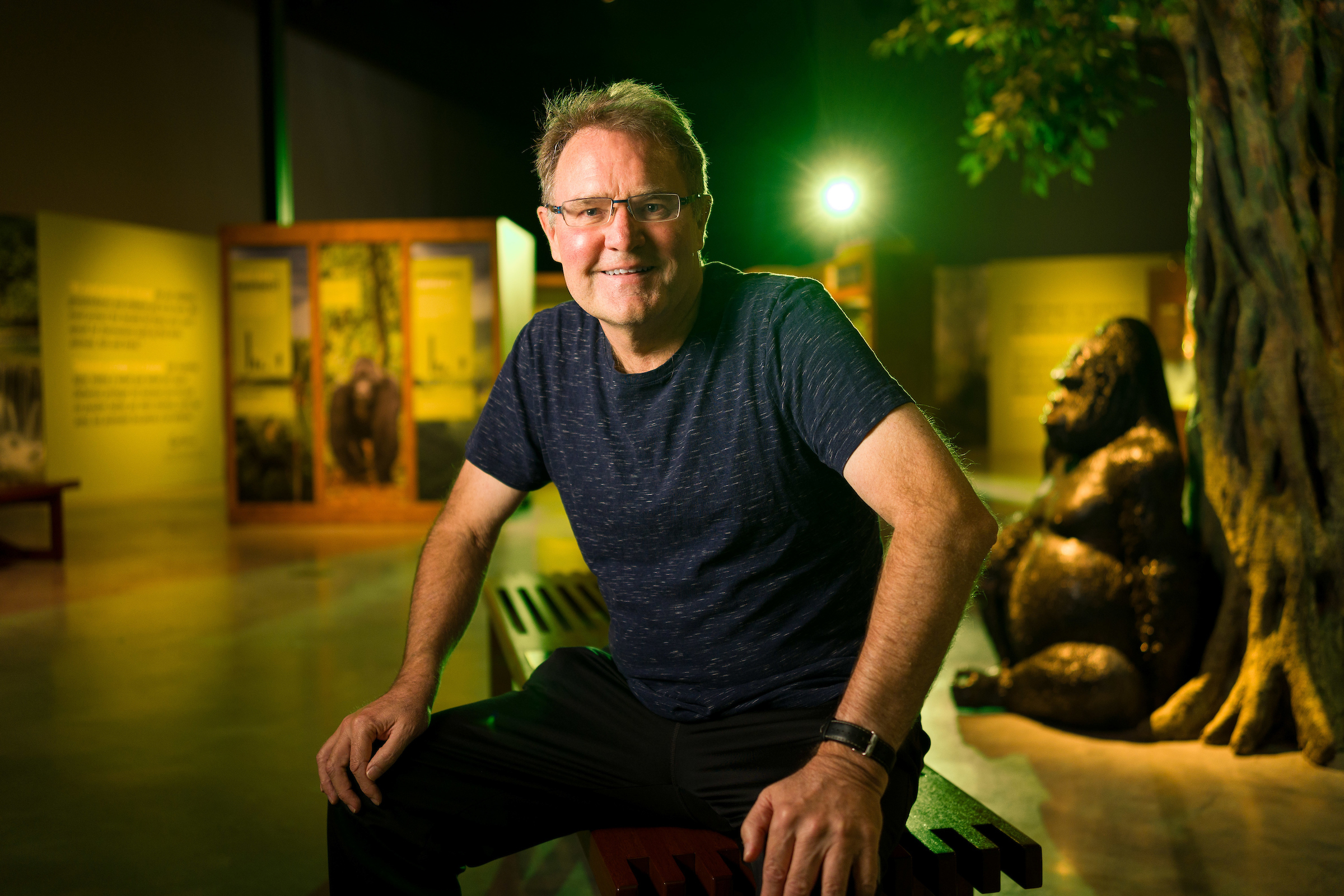
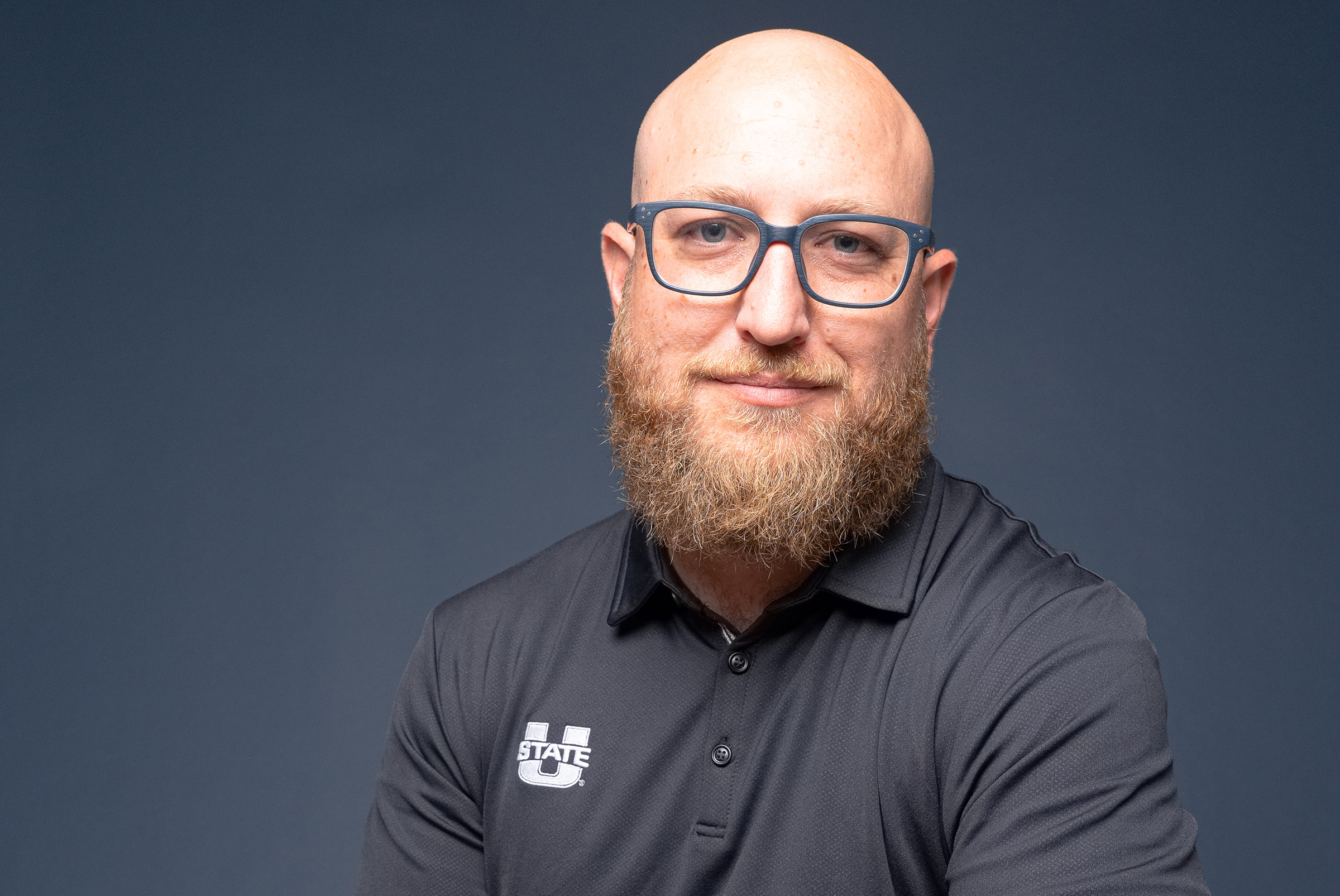
Little guy, self–proclaimed geezer and cheapskate, aware of mountains and dreaming of Everest since he was 5 or 6. But then comes life and in the face of everything else, he puts that one away, you know. Puts it away until after he has his Ph.D. and his first job (pronounced “money”) and then more life happens and something causes him to reevaluate; maybe I should still try, he says, so he dives in.
Notches Kilimanjaro and realizes he's got the bug, signs up for a mountaineering course on Mt. Rainier and practices saves, crevasse rescues and self–arrests with an ice ax. Humph… funny how progress toward a dream can push it seemingly farther away. It's Everest! The big one, we're talking about humping it to the same altitude at which commercial airliners fly. And then the time and money thing — it's a two–month expedition — and oh yeah, he's self–outfitting; gotta buy a down suit and a –40°F sleeping bag at $1,000 a pop and new triple boots that cost about the same and he doesn't want to overspend — he's cheap — but then, you know, that's only $100 a toe and he thinks, “I like my toes.”
And people say Everest is easier now, better oxygen equipment and the best gear in history, but you know what? Six people still died up there this year and they had gear. But he hits Aconcagua and Lhakpa Ri, trying to do “something substantial every year,” and he starts worrying about his history of upper–respiratory infections, because let's face it, bad food and you could be out of the tent, but a sinus thing and you can be out a life. Just doesn't know how his body is going to work up there but makes a guinea pig of himself on Aconcagua and gets publishable data — ambulatory, real–time climbing data that's hard to gather. He plans the same on Everest and wires up for heart rate, oxygen saturation and respiration, slaps on a thermal patch to monitor skin temp and on Summit Day gulps down an ingestible (yeah, one–time use) thermister to log his core body temperature minute–by–minute. Kind of works, but after High Camp kind of doesn't. And another surprise is the number of avalanches, six or more a day, crashing down “like an earthquake,” and he wonders if it eventually might get like guys going to war, where it just becomes background noise.
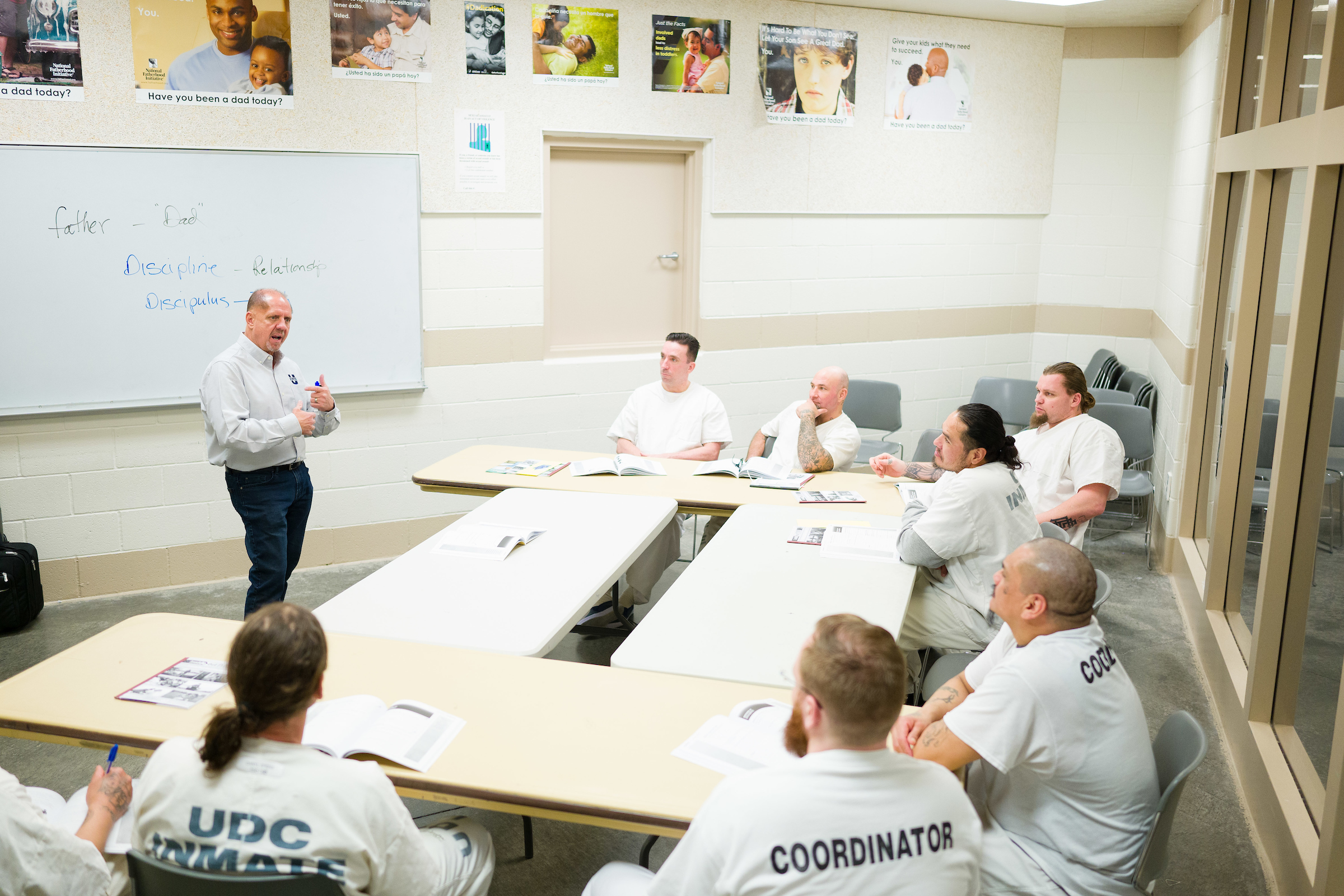
He thinks about what he'll think about, you know, on top of the world, will he think about past climbs or climbing partners or about his parents — both lost in his 20s? But May 19, 2009, rolls around and it's none of that; he's so exhausted it's just tunnel vision, doesn't even see the frozen corpses of previous expeditions his teammates see. And he gets claustrophobic — the goggles and the air mask — he starts hyperventilating and dry–heaving. And then he's there. He summits! And for 40 minutes he's King of the Planet but all he can think is, “Man, I'm glad I don't have to do this anymore. I'm glad I don't have to go any higher.” And now he's once again teaching his master's–level exercise physiology course at USU and once again prepping for that section on exercise in extreme environments. And his students are riveted when he says, “Let's look at the data.”
—Jared Thayne '99
You can view Dale Wagner's photos from Mt. Everest at http://picasaweb.google.com/dale.wagner.phd/BestOfEverest09#