home  home

Sunrise Sessions


Chart Your Own Adventures


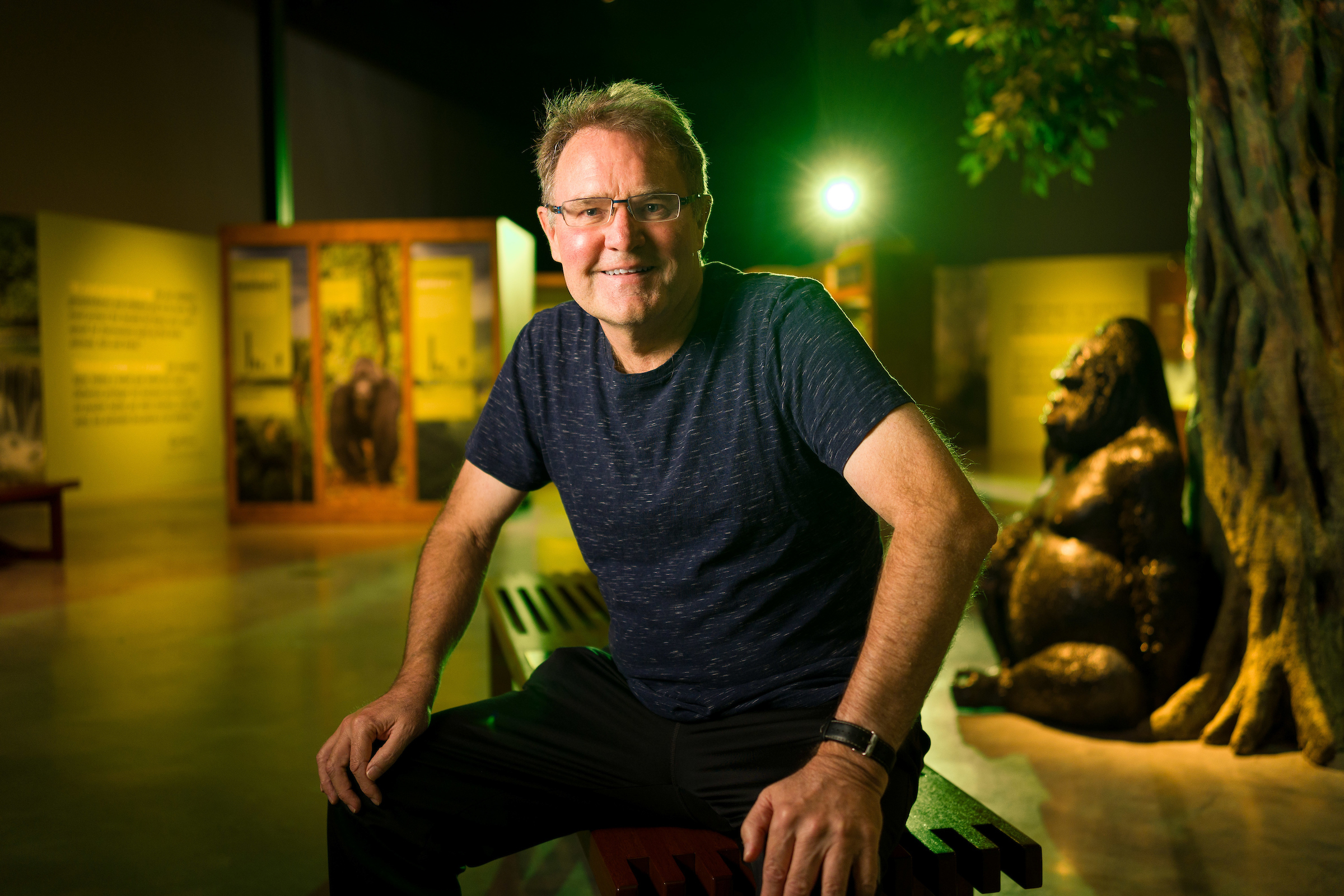
Layne Coppock will share the stories behind his research in Africa on April 13 in Salt Lake City as part of Utah State University’s ongoing Sunrise Sessions. He is one of four top USU researchers featured in this year’s series. Held quarterly, Sunrise Sessions afford USU alumni, community and business leaders and the public the chance to experience world-leading research in diverse fields. Thanks to generous sponsorship by Regence Blue Cross Blue Shield, Sunrise Sessions are free of charge, but seating can be limited. Alternating locations are used so be sure to get more information at http://research.usu.edu/vp/?news-media-and-events&sunrise-session&


1. Randy Lewis, earlier this year — Spider Silk


January’s Sunrise Session explored Randy Lewis’ world of spider silk and involved Slinkys, Legos and a Spider Man suit for the Utah State University USTAR professor. Lewis has pioneered the study of spider silk proteins, which have many potential uses including ligament and tendon repair as well as high-tech clothing. Lewis introduced the audience to the genetic makeup of spider silk proteins — shaped like Slinkys, Legos and zippers — as well as the innovative science that genetically modified bacteria, goats, alfalfa and silkworms plays in producing spider silks. Lewis’ research has garnered international press and industry attention. He is a USTAR professor of biology in the Synthetic Bio-manufacturing Center at Utah State University.


2. Layne Coppock, April 13, 2012 — Empowering African Women to Transform Communities

Poverty and drought devastate many Africans — seemingly impossible problems to solve.  A USU-led project improved the lives of tens of thousands in southern Ethiopia by catalyzing a skill-development process that improved incomes, assets and well-being. Poor, illiterate women became transformational community leaders. This was possible because a USU team had discovered dynamic women’s groups in the northern desert of Kenya who had lifted themselves out of poverty to become entrepreneurs. USU then enlisted the help of the Kenyans to cross the border and inspire Ethiopians, unleashing a tidal wave of change. This is their story.  


3. Vonda Jump, June 8, 2012 — Optimal Child Development

Dr. Vonda Jump will discuss her work promoting the optimal development of infants and young children being raised in alternative caregiving environments, with a focus on orphanage care. Jump has traveled to and worked in Ecuador, Haiti, India, and Russia training orphanage caregivers and investigating the effects of positive early interactions with infants and young children on children’s health and interaction abilities. The early years are critical for young children’s optimal brain development and interactions with caregivers during those early years greatly affects it.  Jump will discuss ways that we can improve outcomes for all infants through simple techniques. 


4. Chris Hailey, Oct. 26, 2012 — Engineering and Technology Education in High School

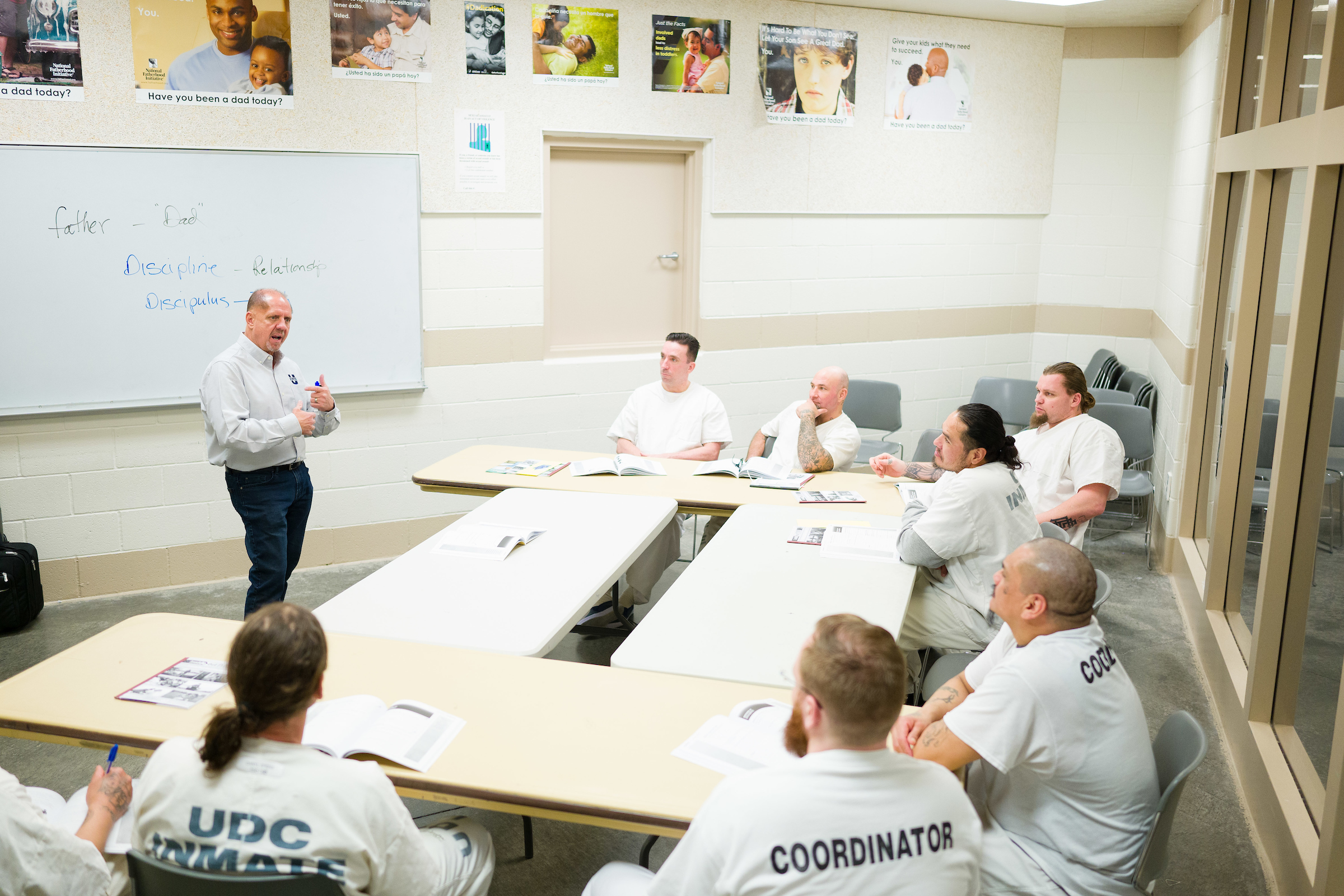
For the past eight years, researchers affiliated with the National Center for Engineering and Technology Education (NCETE) have been building capacity in technology education and improving the understanding of the learning and teaching of high school students and teachers as they apply engineering design processes to technological problems. Learn about some of the ways in which engineering is introduced into high school classrooms and what we have discovered about student confidence in their abilities to become engineers as well as their understanding of engineering overall.