|

back
In spring the Canada geese return to mate and forage on the river. By the end of August the chokecherries are ripe for picking. In late October elk migrate by the thousands from Yellowstone to winter in pastures in the shadow of the Madison Range. The Dixons can see them from their living room window. Hunting and fishing provide the protein for everybody year-round.
Names recited by grownups as if they owned this place themselves are absorbed and repeated by youngsters: Squaw, Moose Bottom and Wolf creeks; purple lupines and yellow daisies; swallows bluer than bluebirds. The birth of a pronghorn antelope in a meadow, the flight patterns of bald and golden eagles are witnessed by the entire family. A grizzly caught in the headlights of a pickup truck, standing a head taller than six-foot dad before it bolts, becomes a shared memory, then family lore. “An awesome sight as long as it’s running in the opposite direction,” James says.
Wife Kendra, who was so intrigued by Provenza’s heretical theories she sat in on a couple of classes and read some of his research papers, says of her second summer and first fall at Sun Ranch, “I will never get used to it, and I hope the children never get used to it, that they realize this lifestyle, this place are not
the norm.”
Justin’s wife, Kayla, grew up in a town with 150 people and four students in her grade, and she knew what she didn’t want – a husband with a city job. Now baby Luke and toddler Todd are being indoctrinated in the same value system. “There is more to life than sitting in front of a TV and watching Sesame Street,” Justin says. “There’s sticks and rocks and streams and horses.” His eldest boy and James’ Emma often spot the wildlife before the adults do.
The lifestyle suits Kody, too. “You live on your job here. I’ve never had a job where I put in 14 hours without watching the clock.” He may have grown up in Reno, Nevada, but hunting in the mountains and grandpa’s farm primed him for the elk bugle calls and star-lit nights of a remote ranch.
If it weren’t for their USU credentials and willingness to innovate, the trio might have to give this all up and apply for jobs at more vulnerable ranches.
Wildlife habitat is being slashed into subdivisions with trophy homes and irrigated golf courses, and the Sun Ranch experiment is drawing a friendly line in the soil in hopes of promoting a more sustainable development model. If local ranchers with modest bank accounts can’t make a profit, they will have to sell out.
Twenty-four acres have been divided into eight lots. Buyers must comply with “green” building regulations. The rest of the ranch is gradually being placed in a conservation easement, which will protect wildlife habitat from residential development. Proceeds from land sales may purchase another ranch in Missoula, where cattle can be grazed in winter.
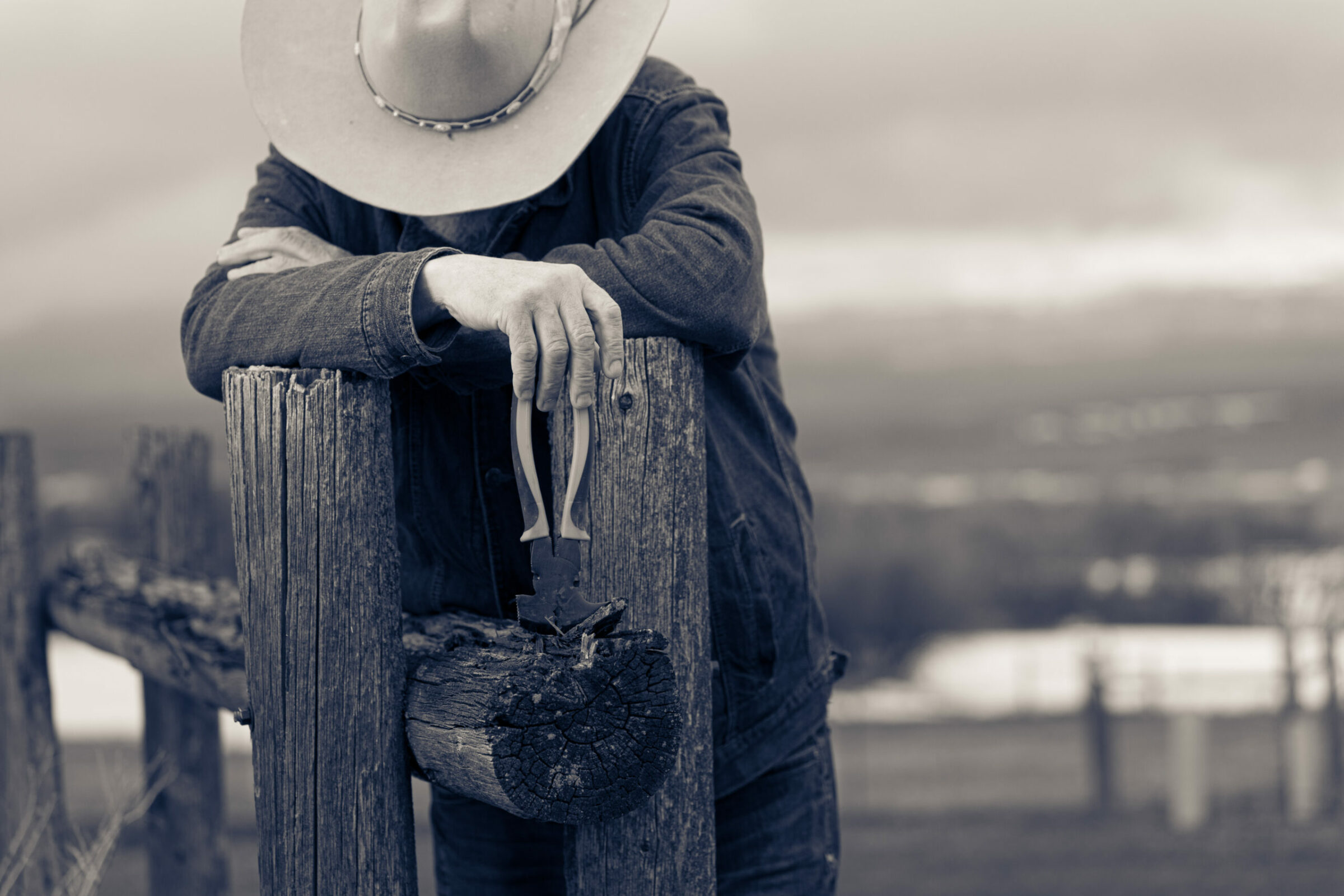
The planning meeting is over in 30 minutes. At the barn they saddle and mount their horses, dig in their spurs and gallop off, James’ white cowboy hat hitting the ground as it flies off his sunburned head. An hour later, James rides back and strides into the Dixon cabin, depositing a wet and cold Christian into Kayla’s arms. She’s nursing the baby in her rocking chair.
They found the horse neck-deep in the muck, glassy-eyed and shivering. They dragged her out with a rope, whinnying and kicking, and she lay on her side
panting, until she found the strength to get up.
Kayla’s eldest boy rocks his toy horse so hard it screeches across the living room floor. Christian climbs onto his toy truck and pedals it around the kitchen, shouting gidiyup, gidiyup, ehah.
In a moon-lit campfire sermon, Ben, Barnyard’s cartoon bull, tells his irresponsible boy, Otis, “The night you showed up I headed out into the meadow and saw this baby calf all alone, stumbling around. I looked up into the sky and I could have sworn I saw the stars dance. At that moment I knew my place was here taking care of things, protecting the rest of the barnyard.” Ben has to die before the message sinks in. Emma and the boys don’t know any other life but this one. If their parents have anything to say about it, they never will.
—Jane Koerner ’07Att
Photographs by Donna Barry
|